
Where the Actual Purchase Was Kept
The room did not fall for packaging. That is the first thing worth saying, because the question invited people to confess to being fooled. Almost nobody in the room describes being fooled. They describe knowing what they were buying and buying it anyway.
The pasta sauce jar is now the second best jar in the kitchen. The skincare bottle has been refilled with a cheaper serum for three years. The candle glass holds cotton pads. The tea tin holds bobby pins. The chocolate twine is in a drawer with other strings from other failed premium purchases. In every one of these Signals the object survives the product. And in most cases the writer already knew, at the moment of purchase, that this was likely to happen.
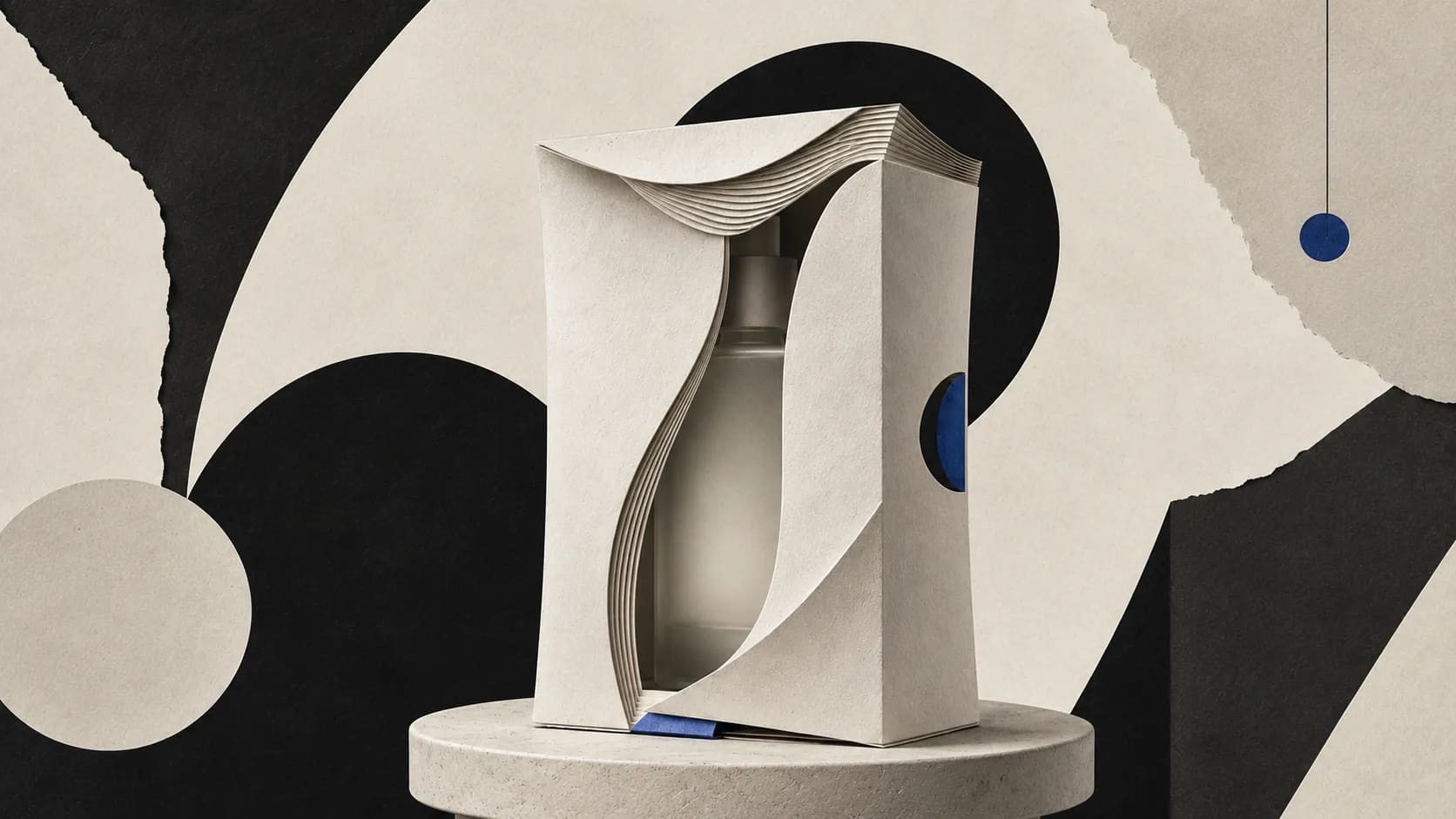
That reframes the question. This is not a room about deception. This is a room about a specific transaction that a certain segment of consumers now performs almost consciously: paying for a small permanent object with a temporary consumable attached. The consumable is the tax. The object is the purchase.
Two Signals name it directly. One participant says of an olive oil bought for its bottle: "every time I cook I feel briefly like someone with a life. That is the transaction." Another says of a perfume: "the gesture of setting it down on a bathroom counter is worth the purchase price. The scent is a bonus." Nobody in the room believes the sauce is worth the sauce. They believe the sauce is worth the jar plus a low-friction excuse to keep buying the jar.
There is a small darker wave underneath this, and it deserves attention. The supplement participant admits to convincing themselves that a clean sans-serif meant clinical rigor. It did not. It meant a good design agency. That participant now knows the difference. Several others in the room are describing the same recognition in gentler terms. The natural wine participant now "unconsciously scans for hand-drawn animals" and knows this has cost them money. The salt participant now owns three salt containers pretending to be from 1930 and describes their kitchen as looking "like a set." These are people watching themselves become the audience for a genre.
The room's most quietly important Signal is about a £14 tin of Danish butter cookies from a grandmother's house, empty for two decades, now holding sewing supplies. That Signal does something the rest of the room only edges toward. It admits that packaging works because it borrows an idea about permanence that older kitchens already contained. The tin outlasts three houses. The cookies were unremarkable. The tin is not fooling anyone. The tin is doing exactly what tins have always done. The rest of the room is buying jars, bottles, tubes, cylinders, and tins because they want a small piece of the tin-holds-sewing-supplies feeling. They want an object with a future.
That is the reveal, and it is not entirely flattering. The room describes a mild but steady willingness to overpay for consumables in order to acquire objects that behave like inherited objects. The tin was inherited. The £48 candle glass is being inherited-in-advance by the writer from themselves. The pasta sauce jar is being auditioned as a family heirloom. Somewhere in the neighborhood of a real cultural shift, this room is showing an economy in which a lot of people who did not inherit tins are quietly manufacturing the experience of inheriting tins by buying things that come in tins.
The magnetic-lid participant is the room's honest edge. They do not care what is inside the cream. The click is the whole morning. That Signal is the shortest and the least sentimental in the room, and it is also, in a way, the most precise. It admits that some of what packaging is now selling is a small daily physical pleasure. Not an object with a future. Not a jar with a life. Just a click. A weight. A closure that feels engineered. The purchase is being made at the level of the hand.
The room's real finding is that packaging is no longer, primarily, about persuasion at the point of sale. It is about giving a certain kind of buyer a permission structure. Permission to spend more than the consumable is worth, because the object will remain. Permission to feel briefly like someone with a life. Permission to have a drawer of unusable but too-nice-to-discard strings. Permission to open a supplement bottle and pretend the label is science. The room is telling us, in fourteen different ways, that packaging works because it lets people buy objects while officially buying consumables — and that the drawer full of empty things is not a mistake. It is where the actual purchase was kept.
The drawer of unusable but too-nice-to-discard things is not a mistake. It's where the actual purchase was kept.


