
Some of This Was Chosen. Some of It Was Just Absorbed.
There's a clean, almost surprising split running through this room, and it isn't between sentimental people and practical ones. It's between inheritance that was chosen, actively and on purpose, and inheritance that simply happened without anyone deciding anything at all.
The unconscious cluster is the room's strangest and most quietly moving material. Handwriting matching a late mother's almost exactly, with no memory of ever being taught it. A hand position on a steering wheel, identical to a father's, never noticed until someone else pointed it out from the passenger seat. A hairstyle carried forward for decades that turns out to be a precise echo of a mother's signature look, confirmed repeatedly by people who knew her. None of these people set out to inherit anything. The inheritance arrived first, and the awareness of it came later, sometimes decades later, sometimes from someone else's mouth instead of their own realization.
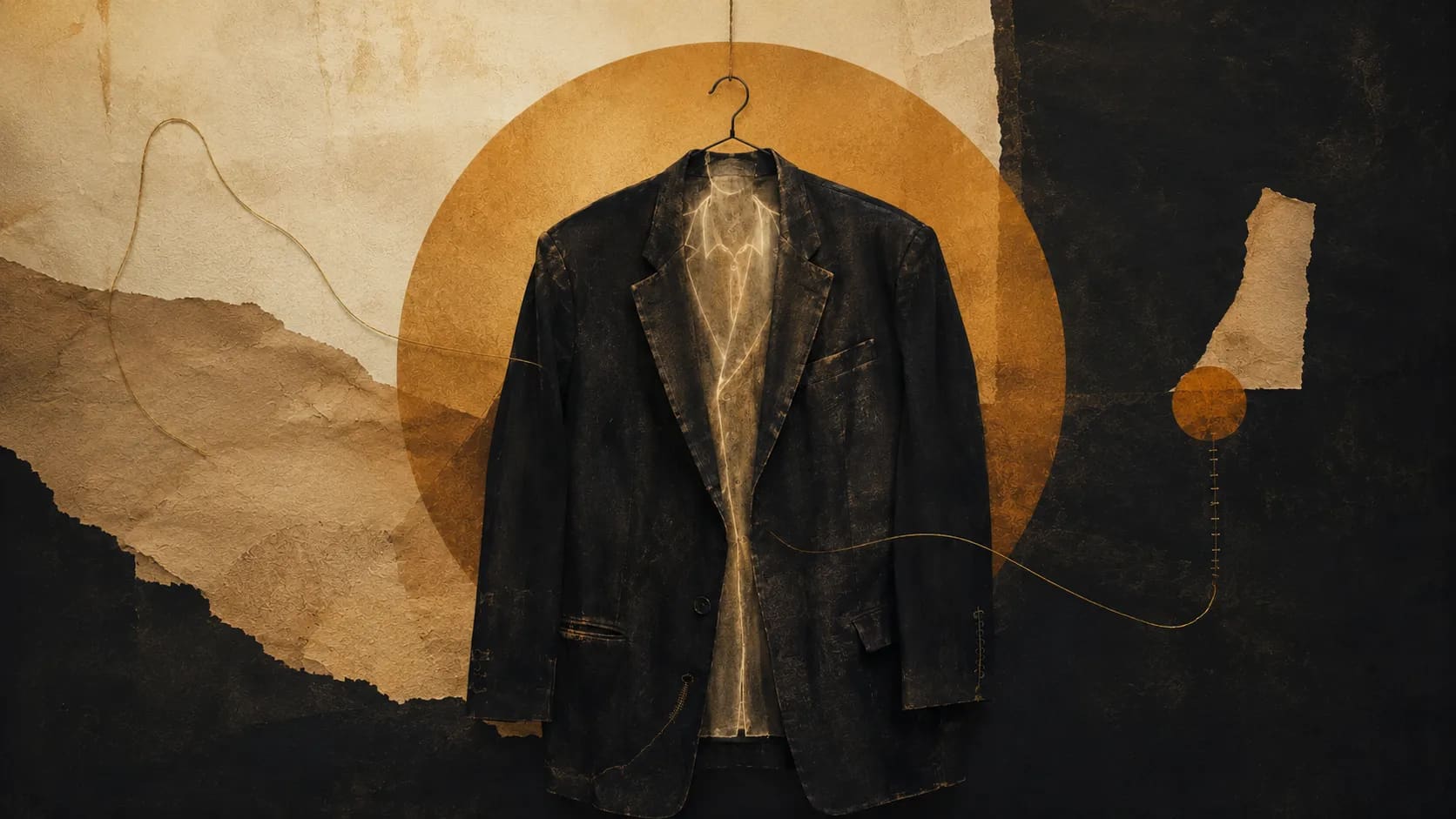
The deliberate cluster runs in the opposite direction — active, ongoing maintenance of a specific style, chosen again and again rather than absorbed once. A coat altered piece by piece over ten years to keep fitting a changing body, rather than simply replaced. The same shaving brand and the same work boots, bought without ever seriously entertaining an alternative. A pocket square folded in a style nobody else in the room's current circle still uses, kept anyway, every time, specifically because of where it came from. These aren't people who forgot there were other options. They know exactly what the other options look like and keep declining them, quietly, in favor of continuity.
A third, smaller cluster treats the inherited object less as a style choice and more as a kind of company. Cufflinks worn to important meetings for a sense of presence from a grandfather never actually met in life. A watch that doesn't keep real time anymore, reset every single morning anyway, as if resetting it were the actual ritual and accuracy were beside the point. A perfume that makes its wearer smell, by other people's account, like an era he never personally lived through. In each case the function of the object has quietly detached from its original purpose and reattached to something closer to reassurance.
What connects the deliberate and the unconscious halves of this room is that neither group treats the inheritance as a burden. Nobody describes feeling trapped by an old coat, an old boot brand, an old hand position on a wheel. The tone across all fourteen signals is closer to quiet ownership — some of it claimed on purpose, some of it discovered after the fact and accepted without much resistance either way, as if the body and the wardrobe had already made the decision long before the person consciously caught up to it.
It's also worth noticing what almost nobody in this room mentions: an active decision to stop. Nobody describes trying the coat's replacement and returning to the original. Nobody talks themselves out of the ring, the boots, the fold, and then talks themselves back in. The inheritance, once present, seems to arrive with a kind of built-in permanence that doesn't require regular renewal or defense — it just persists, quietly, until somebody asks a direct question about it, the way this room just did.
Some of this room chose their inheritance. The rest just eventually noticed they were already wearing it.


