
The Discovery Nobody Was There to Share
Every one of these twelve signals describes an actual, verifiable discovery — not a guess, not a maybe, a confirmed cameo, caught in real time, by someone who was almost always the only person in the room to catch it. What unites the room isn't the accuracy of the spotting. It's the loneliness built into being right about something nobody else even registered as a question.
The clearest thread is recognition arriving ahead of confirmation, running purely on pattern rather than proof. A voice identified two full seconds before the face appears. A hand mannerism, seen once in an old interview, recognized instantly on a background extra in an unrelated show. A director's known habit of playing a nervous background character, spotted from the pattern alone before anyone had verified the actual identity. These signals describe a kind of recognition that isn't really visual at all — it's closer to muscle memory built from years of half-conscious attention to a specific voice, gesture, or professional signature.
A second cluster refuses to leave the discovery unconfirmed. Pausing a film mid-scene to argue the point out with a friend for ten straight minutes before finally looking it up. Sitting through an entire scroll of end credits, alone, specifically to confirm a suspected name. This isn't casual noticing. It's active verification, treated with a seriousness usually reserved for something with actual stakes, even though nothing about a background cameo has any stakes attached to it at all beyond the private satisfaction of being right.
A third, quieter cluster is where the room's real emotional center sits: the complete absence of anyone to tell. A dinner party met with blank stares, revisited anyway on a later occasion despite the exact same reaction guaranteed. A private list of confirmed cameos, kept for years, shown to nobody until this anonymous room. A rewatch discovery never once mentioned to another living person before being typed into this very signal. These aren't complaints about being unrecognized. They read more like relief, finally getting to say the thing out loud to an audience built specifically to receive exactly this kind of oddly specific noticing.
There's a quiet distinction worth drawing between the room's two kinds of loneliness. Some signals describe being alone in the moment itself — a laugh nobody else in a packed theater shared, a reaction with no company to meet it. Others describe being alone across time, holding onto a discovery for years before finally finding somewhere safe enough to say it. The first kind resolves within minutes, as the movie moves on to its next scene. The second kind apparently doesn't resolve at all until a room shows up built specifically to receive it, which may be the closest thing to an explanation for why this particular question drew the exact signals it did.
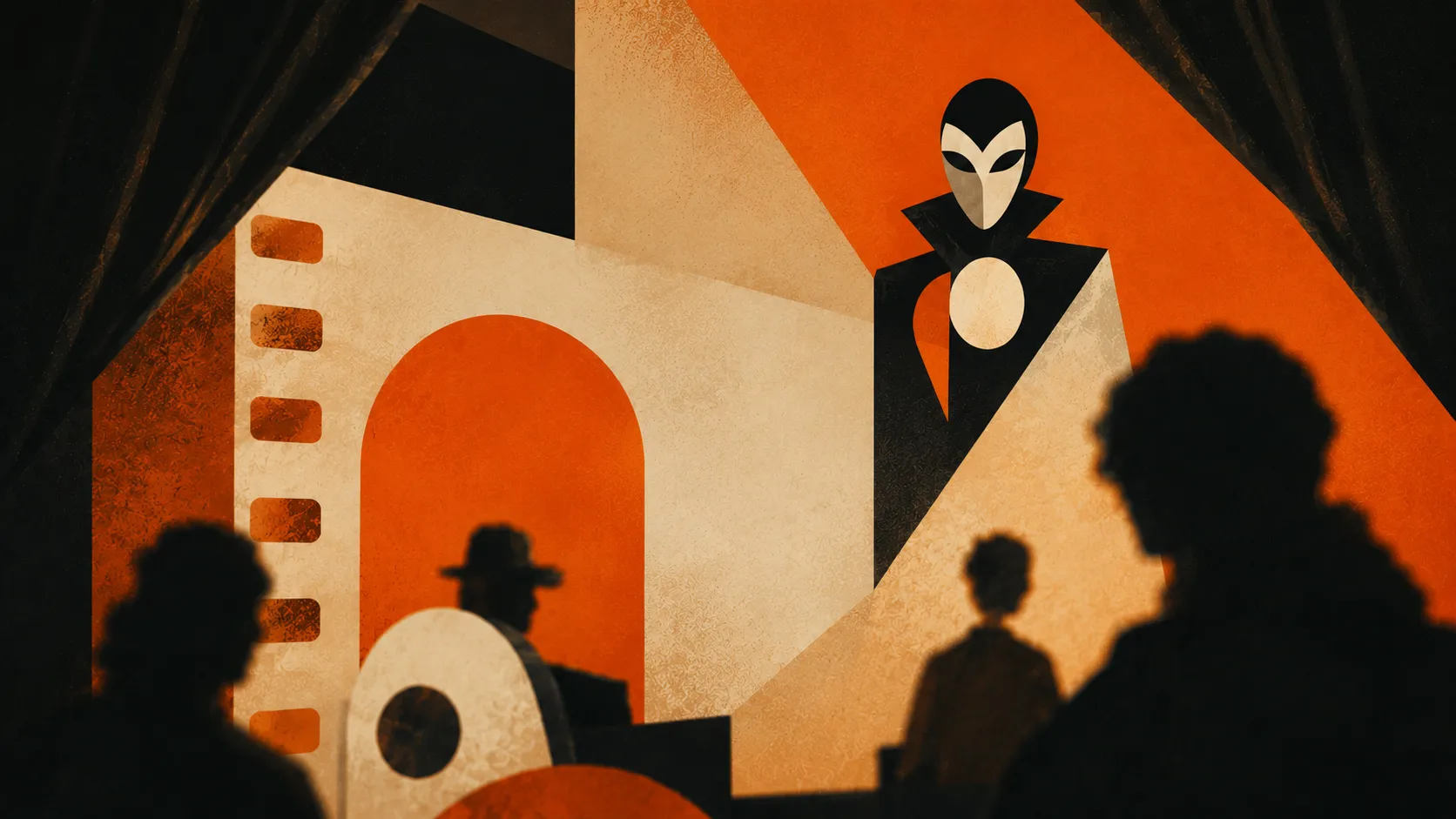
What the room ultimately reveals isn't really about film trivia. It's about a very particular, very solitary kind of skill — pattern recognition sharpened over years of half-conscious attention — that almost never gets to be witnessed by anyone else at the exact moment it fires. The theater goes on reacting to the main scene. One person, alone in the dark, quietly clocks something nobody else was even looking for.
None of them needed anyone to believe them. They just needed, once, somewhere to actually say it.


